
Persecution, Belonging, and the Sacred Outsider
Under the Banner of HeavenThis thread explores how persecution becomes a source of collective identity, how that identity can turn dissent into betrayal, and how historical memory can both preserve real suffering and authorize new hostility.
increasing Bearing strength in each event
 decreasing
Bearing strength in each eventdecreasingA People Apart
Chosenness and Separation
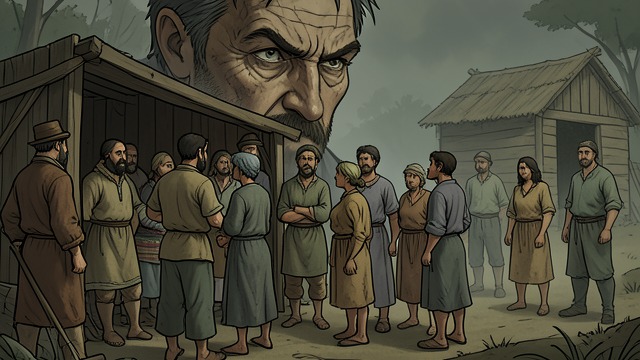
Early Latter-day Saints understood themselves as a chosen people gathering to build Zion. Their communal practices, shared political action, and confidence in a divine claim to place set them apart from neighbors who feared losing influence over their own counties.
Conflict Makes Identity
Hostility from non-Mormons was real, and the book recounts attacks that drove Saints from homes and settlements. Yet the developing conflict also strengthened a story in which believers stood on the side of God while outsiders represented a hostile world.
That story gave a scattered religious minority solidarity and purpose. It also made disagreement easier to interpret as evidence of enmity, laying the groundwork for an enduring tension between a community’s need for protection and its tendency to classify outsiders as threats.
The Memory of Haun’s Mill
A Wound Carried Forward
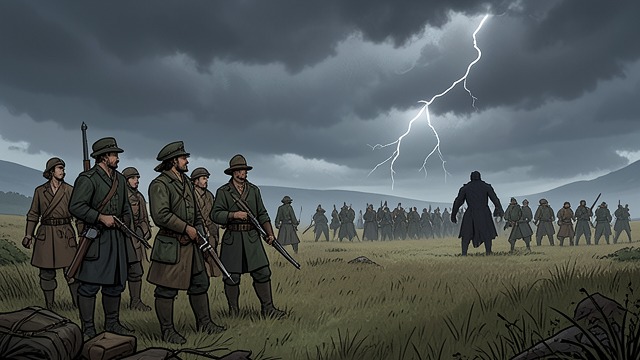
At Haun’s Mill, Missouri militiamen attacked a Mormon settlement and killed eighteen Saints, including the boy Sardius Smith. The massacre entered Latter-day Saint memory as proof that the community had been persecuted and left unprotected by surrounding authorities.
Memory as Bond and Warning
The violence helped bind survivors and their descendants through a shared account of suffering. It also reinforced suspicion that law and public opinion would not protect the Saints when their interests conflicted with those of their neighbors.
The book asks readers to hold two consequences together. Remembering an atrocity can preserve the victims’ history and explain a group’s fear; when that memory becomes a permanent lens for interpreting every later conflict, however, it can make retaliation and isolation seem prudent or even sacred.
The Kingdom Under Siege
Old Injuries, New Enemies
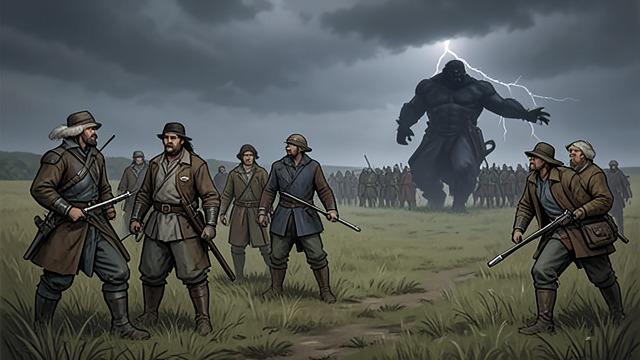
As federal troops approached Utah, Brigham Young and other leaders invoked the Saints’ earlier expulsions and the murder of Joseph Smith. They warned that the government might destroy the community and urged the faithful to prepare for a struggle between the Kingdom of God and its enemies.
The Danger of Totalizing Fear
This atmosphere turned political uncertainty into a sacred emergency. The Fancher party, traveling through the territory on its way to California, became entangled in a climate where rumors, suspicion, and resentment could make ordinary travelers appear like agents of a hostile nation.
The book shows how a genuine history of persecution can be mobilized beyond its original circumstances. Past injuries explain fear, but they do not justify the slaughter that followed; the perceived siege became a moral framework in which the lives of outsiders were dangerously discounted.
The Fundamentalist Refuge
Withdrawal for Protection
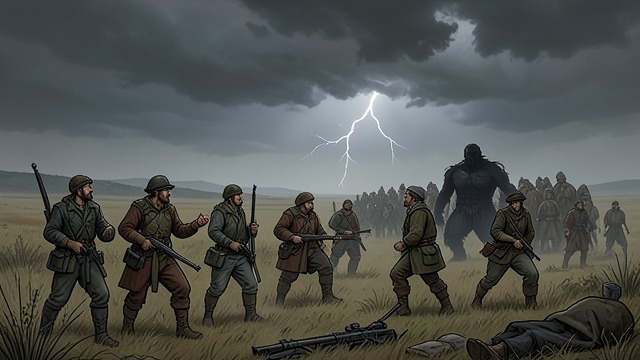
After the mainstream Church of Jesus Christ of Latter-day Saints ended official support for plural marriage, committed fundamentalists sought remote places where they could continue practicing what they believed were divine commandments. Short Creek became a refuge for families who feared interference from government authorities and church leaders.
Persecution and Public Judgment
In 1953, Arizona officials raided the settlement, arrested adults, and removed children into state custody. The images of families separated during the raid drew public sympathy and reinforced the community’s belief that outsiders were persecuting them for their religion.
The raid made that identity more durable even as it exposed real questions about state power and religious freedom. Later, the community’s leaders could point to the raid as proof of hostility, while critics pointed to coercion and abuse inside the settlement. The book follows the tension between those accounts rather than treating either as sufficient on its own.
The Apostate as Enemy
Leaving the Fold
In Colorado City, apostasy could mean more than a change of belief. Relatives might be forbidden to speak to the person who left, and priesthood leaders could claim authority over family relationships and property. DeLoy Bateman’s departure showed how religious belonging could govern the most intimate parts of daily life.
Exile Without Distance
Even after rejecting the faith, DeLoy remained attached to the community and the place where he had raised his family. His experience complicates a simple division between faithful residents and hostile outsiders: leaving an institution did not erase family bonds, local identity, or the values learned there.
By the time Warren Jeffs succeeded Rulon Jeffs, the community faced further disputes over who counted as a legitimate follower and prophet. The book’s broader point is that persecution narratives can travel inward as well as outward. A group that sees itself as besieged may treat its own dissenters as traitors and interpret their testimony as proof of the enemy’s influence.
The 1830s, during the early settlement of Missouri
October 30, 1838, and the years of Mormon migration that followed
1857, during the Utah War and the approach of federal troops
1911–1953, from Short Creek’s settlement to the raid
1980s–2002, from DeLoy Bateman’s departure through the Warren Jeffs succession
